
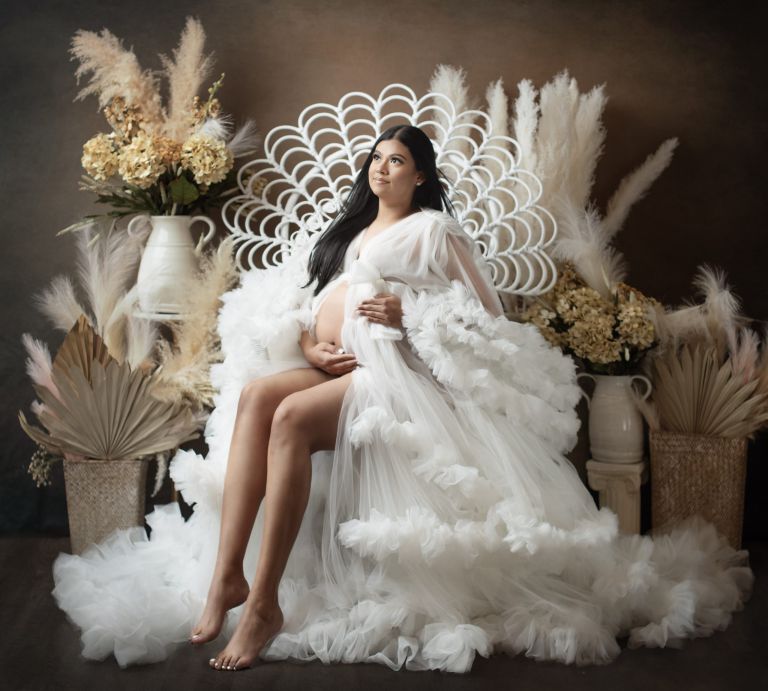
Turning family portraits into artwork starts with intention and a plan. If you live in Germantown and want your maternity, newborn, or family images to feel like part of your home’s design, this guide offers practical inspiration. Below you’ll find layout ideas, framing suggestions, lighting tips, and ways to make portraits feel personal and permanent — plus how Paulin Photography supports each step from consultation to the ordering appointment.
Begin with a plan
Decide which room will host the artwork and how the portraits will relate to the space. Consider scale, wall height, and existing colors. A hallway calls for a series of smaller images; a living room or stair landing can handle a large, single piece. During your consultation with Paulin Photography we discuss your home, wardrobe options, and the portrait finishes that will best suit your vision.
Choose the right format
Framed prints
Framed prints bring a classic feel and protect your art. Choose a frame that complements your décor: thin contemporary frames for modern interiors, or wider mouldings for a traditional look. Matting can add breathing room around the image; neutral mats work well with fine-art portraits.
Canvas and museum wraps
Canvas offers a softer, painted look and reduces glare. Museum wraps (canvas stretched with image continuing around the edge) present a clean, contemporary profile that reads like artwork from a distance.
Fine-art metal and acrylic
Metal prints give a vivid, modern finish with deep contrast, while acrylic face-mounts add depth and a luminous surface. Both are modern choices for displaying color-rich or high-contrast portraits.
Scale and placement
Avoid guessing where to hang pieces. Measure your wall and mock up sizes with kraft paper or painter’s tape to visualize scale. Center artwork at eye level for the primary viewing spot; in living rooms that’s typically 57 to 60 inches from the floor to the center of the piece. Over sofas and mantels leave about 6 to 12 inches between furniture and frame edges for balanced proportions.
Creating cohesive groupings
Symmetrical grids
A symmetrical grid of matching frames creates a clean, gallery-like arrangement that’s ideal for family series or chronological portraits.
Salon-style arrangements
Salon walls let you mix sizes, finishes, and portrait orientations for a collected, personal feel. Start with a central anchor piece and build outward, maintaining consistent spacing between frames to keep the look intentional.
Linear storytelling
Use a linear layout along a staircase or hallway to show growth or a timeline — newborn to toddler to family portraits — which is especially meaningful for families tracking milestones.
Lighting and preservation
Natural light is beautiful but avoid direct sunlight on prints to prevent fading. Use soft, angled lighting such as picture lights, track lighting, or recessed ceiling lights to highlight artwork and reduce glare. For longevity, choose archival papers and UV-protective glazing when available.
Mixing portraits with other decor
Portraits should complement, not compete with, other elements. Pair framed images with a single statement mirror, a shelf with a few curated objects, or a simple grouping of textiles. Keep surrounding decor restrained so the portraits remain the visual focus.
Personal touches that make art feel like home
Include handwritten notes, a small plaque with names and dates, or a subtle frame label that ties a portrait to a memory. Custom mat colors or a frame choice that echoes an heirloom piece can create emotional continuity between new portraits and family history.
How Paulin Photography helps
Paulin works with clients from the planning conversation through the final ordering appointment so the portraits you select will translate into the right formats and sizes for your home. Trained through ongoing classes and workshops and originally from Colombia, Paulin brings a timeless fine-art approach tailored to each family. Her warm, laid-back style helps clients feel comfortable during the photoshoot and confident when choosing how to display their images.
FAQs
How do I decide which room should get a large portrait?
Choose a room where the family spends time together or where guests gather. A large portrait in a living room, dining area, or entryway makes a strong visual statement and becomes a daily reminder of family connection.
What size should a portrait be for above a sofa?
A common guideline is to choose artwork that spans about two-thirds to three-quarters of the sofa width. Measure first and mock up the proportions to ensure balance with cushions and other furniture.
Can I mix different frame materials in one arrangement?
Yes. To keep the design cohesive, pick one unifying element such as mat color, frame thickness, or a repeating metal finish. This creates variety without visual clutter.
How does the ordering appointment work?
At the ordering appointment Paulin guides you through print finishes, sizes, and framing options so your selections will complement your home. This is the moment to visualize the final display with expert advice tailored to your space.
Are prints easy to care for?
Keep prints away from direct sunlight and humidity. Dust frames and glass with a soft cloth and avoid harsh cleaners. For canvas or metal, follow specific care recommendations from your printer or framer.
If you’re in Germantown or nearby and ready to turn your family portraits into artwork that fits your home, contact Paulin Photography for a consultation and a thoughtful ordering appointment. Let’s plan pieces you’ll enjoy for years to come.


